Jaisalmer Fort: A Complete Visitor's Guide
Jaisalmer Fort, locally known as Sonar Quila or the Golden Fort, is one of the few fully preserved fortified cities left in the world. Unlike most forts in India that stand as empty monuments, this one is genuinely alive — around a quarter of Jaisalmer's old city population still lives, works, and trades within its walls. Here's what to know before you visit.
A Brief History
Built in 1156 AD by the Rajput ruler Rawal Jaisal, the fort sits atop Trikuta Hill and is constructed almost entirely from golden-yellow sandstone, which gives it a distinctive glow at sunrise and sunset — and gave Jaisalmer its nickname, the Golden City. The fort served as a key stop on ancient trade routes between India and Central Asia for centuries.
Getting There
The fort sits right in the heart of Jaisalmer city, a short cab ride from the railway station, bus stand, or most hotels. Most visitors combine a fort visit with the rest of the old city — havelis, markets, and Gadisar Lake are all within a few minutes' drive.
What to See Inside
Inside the fort walls, don't miss the Raj Mahal (the former royal palace, now partly a museum), the cluster of ornately carved Jain temples dating back to the 12th and 15th centuries, and the narrow lanes lined with shops selling textiles, silver jewelry, and antiques. Many of the buildings inside are still private homes and guesthouses, so wandering the lanes feels less like a museum visit and more like stepping into a living town.
Best Time to Visit the Fort
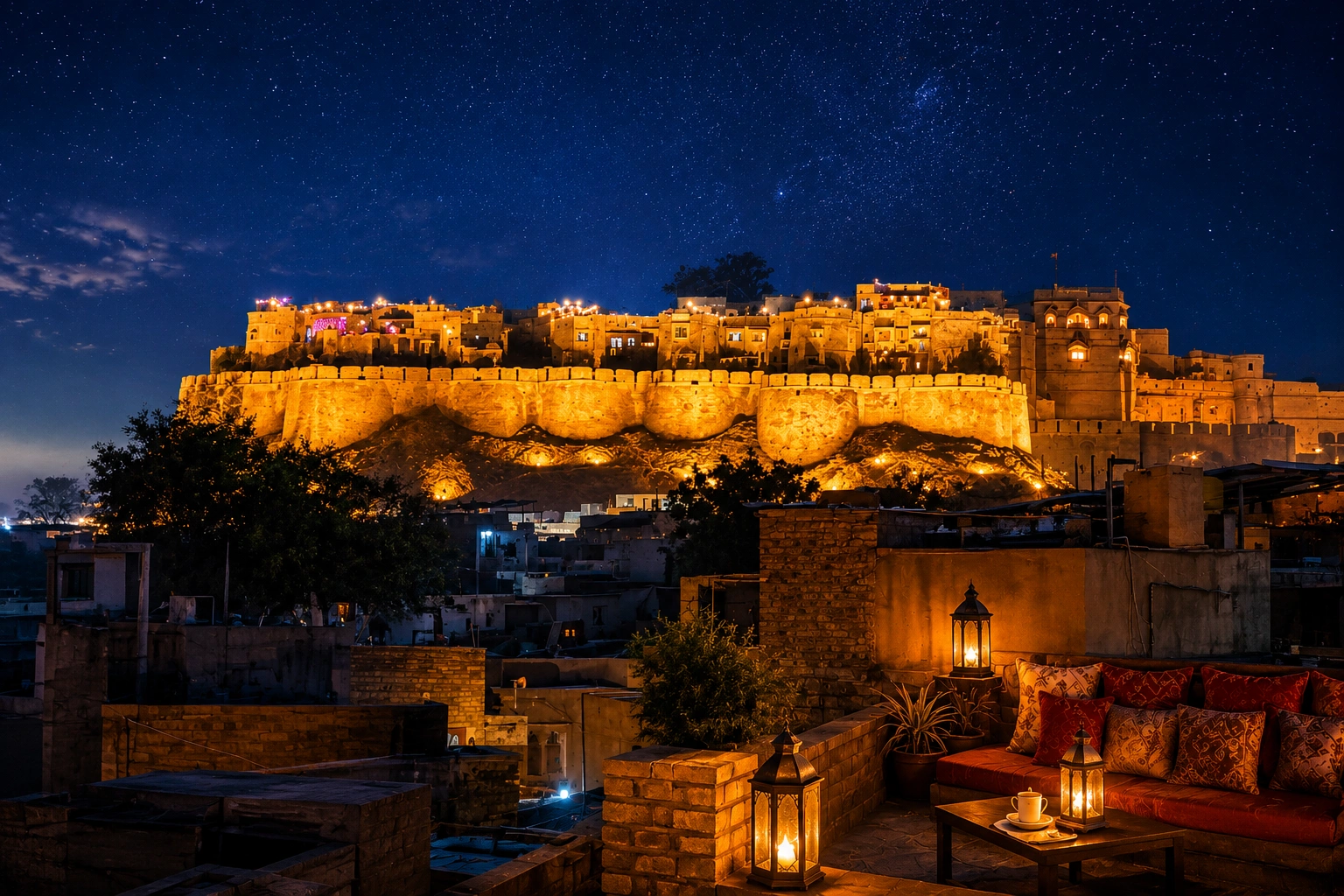
Early morning (soon after sunrise) and late afternoon offer the best light for photography and noticeably fewer crowds than midday. The fort is also beautifully lit at night, and a short visit or a view from a nearby rooftop café after dark is well worth adding to your itinerary.
Nearby Attractions
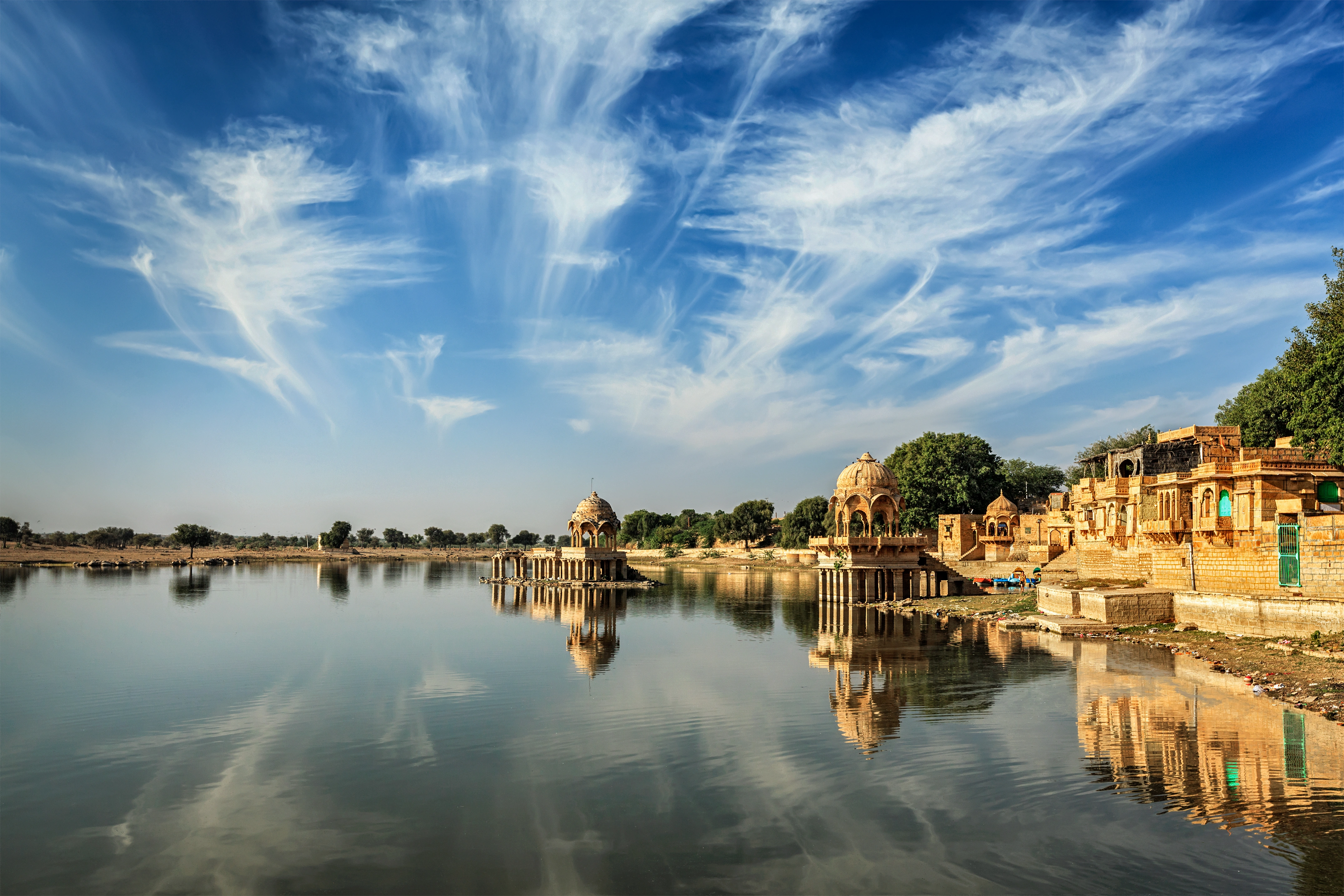
A short cab ride from the fort, Patwon Ki Haveli and Nathmal Ki Haveli are two of Jaisalmer's most intricately carved mansions and make an easy add-on to a fort visit. Gadisar Lake, a peaceful artificial lake with small temples and chhatris along its edge, is another popular stop, especially in the evening.
Practical Visitor Tips
Wear comfortable shoes — the fort's lanes are cobbled and involve a fair amount of walking uphill. Some areas, including the Jain temples and the Raj Mahal museum, charge a separate entry fee, so budget a little extra beyond your cab fare. And if you're visiting in the warmer months, carry water and plan your walk around the fort for the cooler parts of the day.
Looking to combine the fort with havelis, Gadisar Lake, and the local market in a single day? Our 1 Day Jaisalmer Tour is built exactly for that — message us on WhatsApp to check availability.